Welcome to Yongle Group pyrolysis & refining equipment manufacturer. For product inquiries: nicole@yongleep.com



In recent years, China's solid waste management system has continued to improve, and the disposal of various industrial wastes is gradually becoming standardized and scientific. As a solid waste generated in large quantities by industry and transportation, waste tires have long been a key category in solid waste management due to their special material properties and long natural degradation cycle. Extensive stockpiling and landfilling not only occupy land resources and fail to achieve resource utilization, but also continuously affect soil and water environments under natural conditions. As pyrolysis technology keeps maturing, harmless treatment and resource recovery of waste tires now have a more suitable solution. Processing waste tires with professional pyrolysis equipment can achieve multiple goals of solid waste volume reduction, environmental management and resource recovery. Henan Yongle Group, in line with the industry's process iteration trends, continuously optimizes equipment structure and operating processes, providing equipment and technical support for the standardized disposal of rubber solid waste.
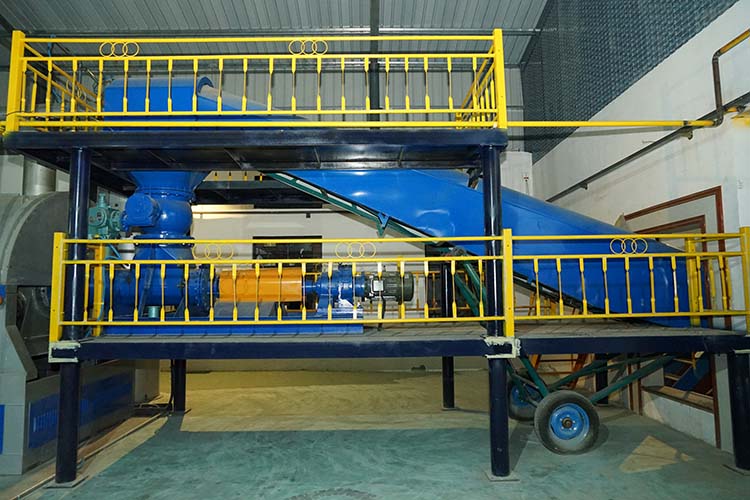
The waste tire refining equipment adopts an industrial sealed pyrolysis process, and its overall operating mode conforms to the industry standards of cleaner production. The equipment completes the pyrolysis and cracking of waste tires in an oxygen-free sealed environment. With a constant temperature-controlled environment, rubber components are fully converted, achieving natural separation of organic and solid materials. By-products such as tail gas generated during production enter the supporting purification system for staged treatment, and the treated emission indicators meet regional environmental control requirements. The equipment has a well-designed overall sealed structure, dust remains within a controllable range during operation, and no production wastewater is generated throughout the process, effectively avoiding secondary pollution and keeping the plant environment clean. The steel wire, fiber and cracked oil obtained after treatment have stable properties and can flow into related industries as recycled resources, completing the resource recovery of waste tires.
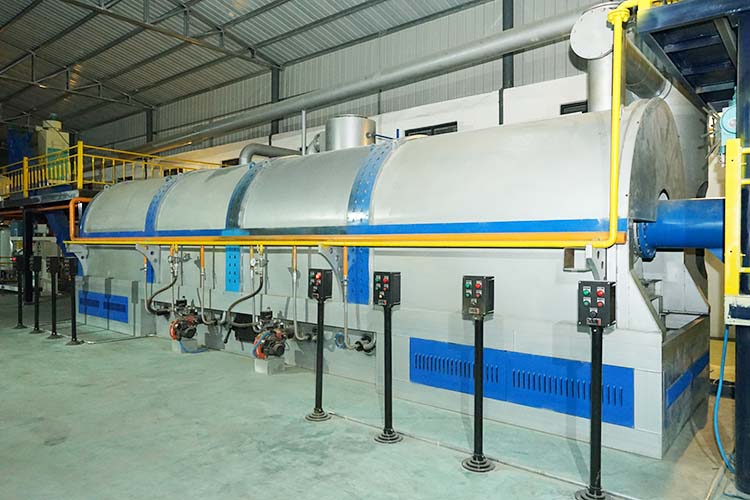
The equipment adopts a modular combined architecture with a clear division of labor and coordinated operation among systems. The pretreatment stage is responsible for tire crushing, screening and impurity removal, unifying material specifications and ensuring uniform and stable feeding; the pyrolysis reaction stage completes the harmless conversion of materials in a sealed environment, reducing solid waste accumulation; the oil-gas separation stage classifies and collects pyrolysis products; the tail gas purification stage continuously treats production exhaust gas to ensure compliant operation throughout production; and the intelligent control system collects equipment operating data in real time, assisting operators with condition adjustment and daily maintenance. The entire process runs stably and can meet the needs of long-term continuous project operation.
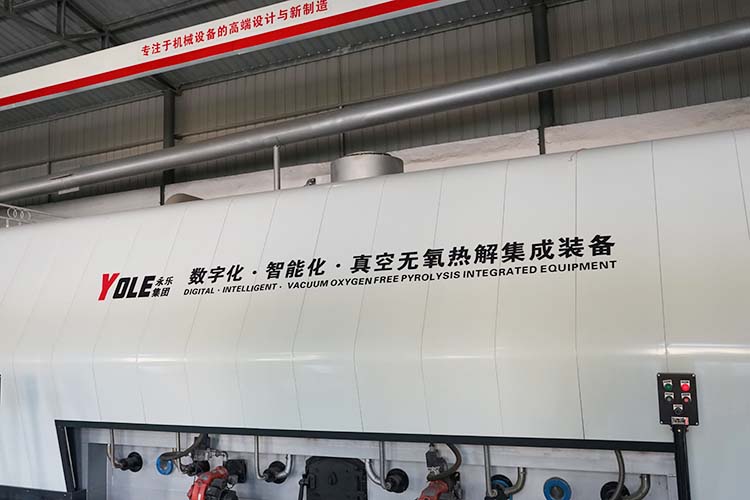
In practical projects, waste tire refining equipment is suitable for various scenarios such as recycled resource processing, centralized solid waste disposal and rubber recycling. The equipment can routinely process regional waste tire stocks, relieve solid waste management pressure, improve the rubber resource recycling system, and support the steady development of the regional circular economy.