Welcome to Yongle Group pyrolysis & refining equipment manufacturer. For product inquiries: nicole@yongleep.com



As demand for urban and rural domestic waste treatment continues to rise, more scientific and environmentally sound treatment methods have become the direction of industry development. As a manufacturer of domestic waste treatment equipment, the company's equipment adopts an anaerobic low-temperature continuous pyrolysis process, providing an integrated treatment path for urban and rural domestic waste that is harmless, resource-recovering, stabilizing, and reducing in volume. While improving environmental governance outcomes, it also taps the resource value contained in waste, supporting green development.
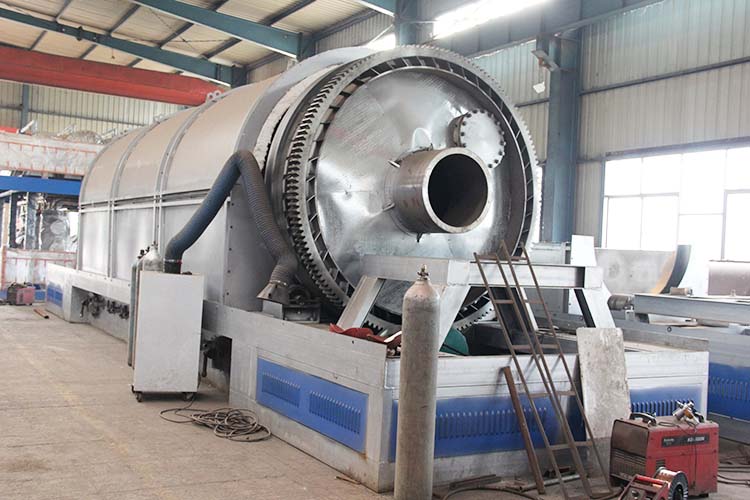
The domestic waste treatment equipment consists of a feeding system, pyrolysis reaction system, product separation system, purification treatment system, and intelligent control system. These modules work in coordination to ensure smooth operation of the waste treatment process. The equipment features an enclosed operation design, and the feeding stage enables continuous and stable operation, reducing the spread of odors during waste transfer and treatment. The pyrolysis reaction system decomposes domestic waste under anaerobic low-temperature conditions, with a controllable reaction process that reduces the possibility of hazardous substance generation, making the waste treatment process safer and more stable. The intelligent control system monitors operating data in real time and adjusts parameters such as temperature and pressure to maintain continuous and stable equipment operation.
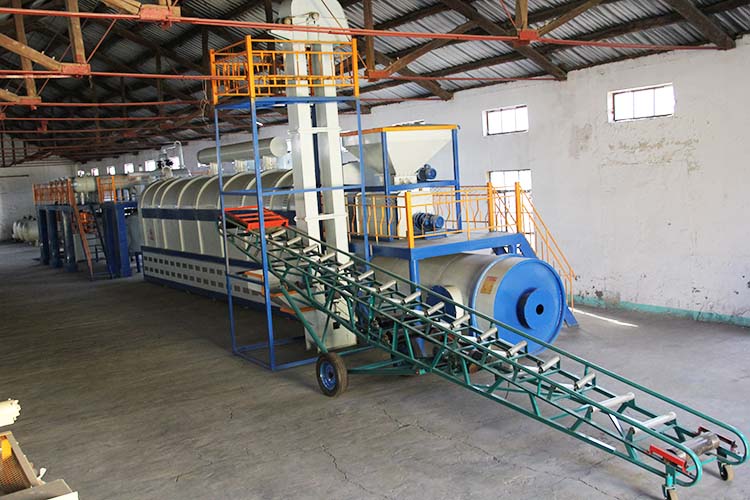
Relying on the anaerobic low-temperature continuous pyrolysis process, urban and rural domestic waste undergoes material conversion during treatment, ultimately producing inert solid carbon residue, pyrolysis fuel oil, and bio-natural gas. This process avoids some of the drawbacks of traditional treatment methods. On the basis of achieving harmless waste treatment, it converts what was originally waste into usable resources, achieving the treatment goals of stabilization and volume reduction. The inert solid carbon residue produced after treatment can be sorted to recover the metal components it contains, and the remaining carbon residue can be comprehensively utilized according to actual needs, carrying corresponding economic value. After collection and treatment, the pyrolysis fuel oil can be used either as industrial fuel oil or supplied to the equipment's own operation. After dechlorination and purification treatment, the bio-natural gas is used for circulating heat supply to the pyrolysis equipment, meeting more than 60% of the equipment's own energy demand and forming an operating model of resource recycling.
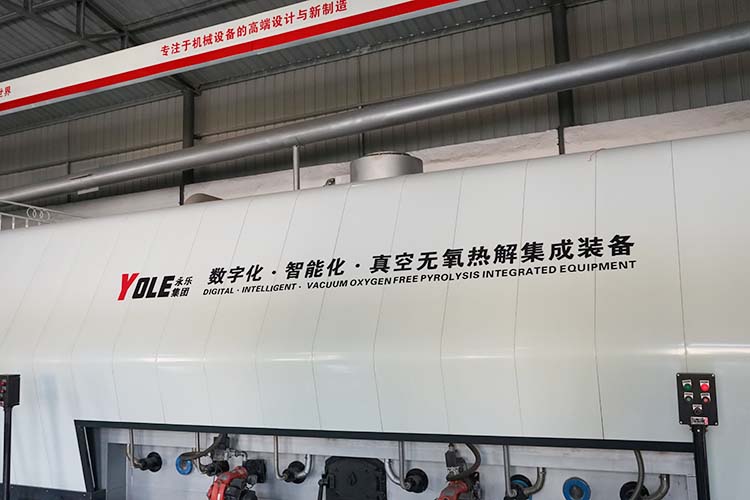
In terms of volume reduction, after pyrolysis treatment, the mass reduction rate of domestic waste exceeds 50%, and the volume reduction rate exceeds 90%, effectively reducing the final disposal volume of waste. At the same time, each ton of domestic waste treated through this process can reduce carbon emissions by 0.4 to 0.7 tons. Through resource recovery and energy recycling, it lowers energy consumption and environmental impact in the waste treatment stage. The domestic waste treatment equipment is designed around the actual characteristics of urban and rural domestic waste and adapts to diverse waste treatment scenarios. While achieving environmental protection goals, it also takes into account resource utilization and operational benefits, providing a practical equipment option for standardized treatment of urban and rural domestic waste and offering strong support for promoting the coordinated development of environmental governance and resource recycling.