Welcome to Yongle Group pyrolysis & refining equipment manufacturer. For product inquiries: nicole@yongleep.com



In the implementation of solid waste resource recovery projects, differences in raw materials often introduce many variables into the entire disposal process, and the adaptability of waste tire refining equipment is one of the core factors determining whether a project can run stably. Waste tires from different sources vary in rubber thickness, steel wire content, and attached impurities, which requires waste tire refining equipment to adjust operating parameters according to the raw materials. When engaging with various disposal projects, Henan Yongle Group works out adaptation plans based on on-site raw material samples and helps customers become familiar with the basic adjustment logic of waste tire refining equipment.
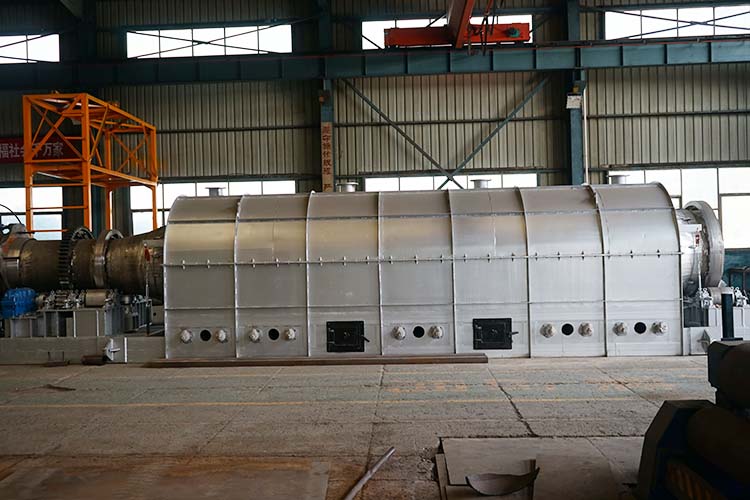
Waste tire refining equipment consists of multiple functional units connected in series—the feeding pretreatment unit, the pyrolysis reaction unit, and the oil-gas condensation and separation unit work in coordination to complete material conversion. Crushing and removing impurities in advance reduces the internal load of the waste tire refining equipment and prevents large materials from causing feeding jams or uneven heating. During the plan communication stage, we explain the necessity of the pretreatment stage to our partners and describe its impact on the continuous and stable operation of the waste tire refining equipment.
Temperature control is a key aspect to master when operating waste tire refining equipment, as changes in the pyrolysis temperature range directly alter the output proportions of various products. Operators need to rely on the equipment's built-in monitoring instruments to continuously track temperature changes in the chamber and make small adjustments to the heating rhythm. We provide corresponding technical documentation to help on-site personnel understand the operating data of the waste tire refining equipment, avoiding impacts on disposal results caused by improper parameter adjustment.
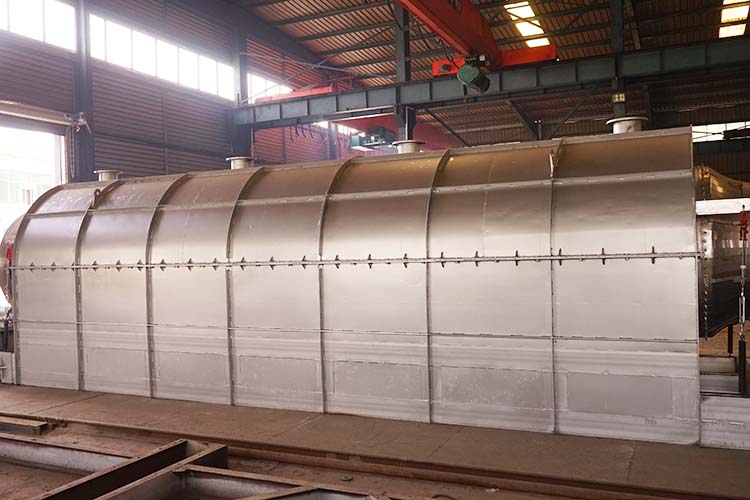
The oil-gas separation and tail gas purification modules are important components for waste tire refining equipment to achieve harmless treatment. After multi-stage condensation, the mixed oil-gas is separated into recoverable oil, and the remaining gas enters the purification system for step-by-step treatment. According to the control requirements of the project location, we match corresponding purification components to ensure that gas emissions comply with relevant standards during the operation of waste tire refining equipment, avoiding compliance risks.
Regular maintenance management can effectively extend the service life of waste tire refining equipment. Seals, valves and pipelines, and sensor components are wear-prone parts that require periodic inspection and timely replacement of aging components. At the delivery stage, we provide complete maintenance guide documents listing the inspection cycles and key inspection points of each component of the waste tire refining equipment, making it easy for on-site personnel to establish a stable maintenance plan.
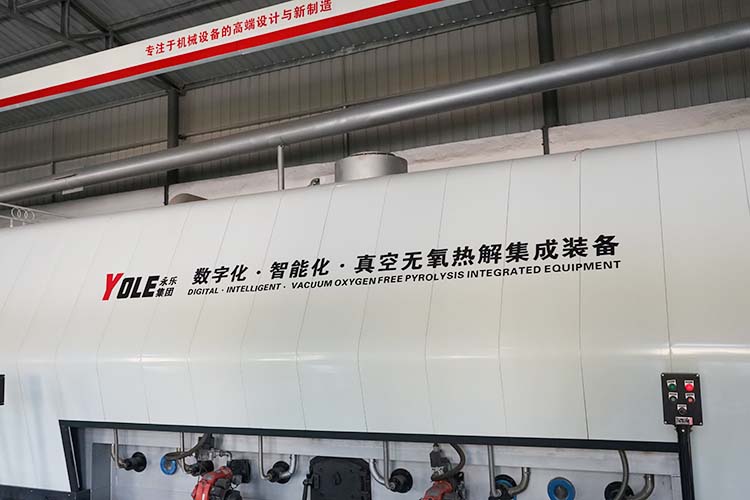
Industry requirements for solid waste disposal equipment are constantly updated, and we continue to participate in the structural optimization of waste tire refining equipment, focusing on directions such as energy consumption reduction and automation and monitoring upgrades. Drawing on continuously accumulated project experience, we hope to rely on mature technical solutions to enable waste tire refining equipment to play a stable resource recovery role in compliant solid waste disposal scenarios.