Welcome to Yongle Group pyrolysis & refining equipment manufacturer. For product inquiries: nicole@yongleep.com



In the advancement of grassroots environmental governance, solid waste collection, transport, and disposal has always been an aspect requiring continuous improvement, and the on-the-ground application of household waste treatment equipment has provided new disposal ideas for many regions. Traditional waste transfer models often involve long transport distances and odor diffusion during storage. Properly selecting household waste treatment equipment suited to actual conditions allows volume reduction treatment near where waste is generated, reducing various impacts of the transfer stage.
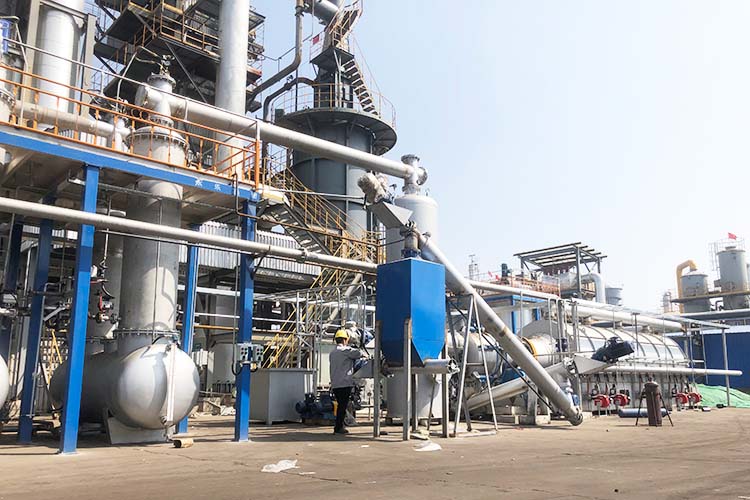
The selection of household waste treatment equipment requires comprehensive consideration of local waste composition, average daily output, and site conditions, as equipment of different specifications suits different treatment scales. When engaging with projects, we first collect basic site information and sort out waste types, site water and power support, and other details, then match the corresponding household waste treatment equipment plan to ensure subsequent operation fits actual site needs. Henan Yongle Group has long focused on the R&D and implementation support of such equipment, continuously optimizing equipment structure and workflows based on frontline user feedback.
During operation of household waste treatment equipment, the volume reduction effect is a key on-site concern. After treatment, waste volume is reduced and residual materials are easier to transport and reuse as resources, reducing land occupied by stockpiling. Operators manage the operating parameters of the equipment according to standard procedures and maintain stable conditions, which reduces unnecessary energy consumption fluctuations and ensures long-term operating economy.
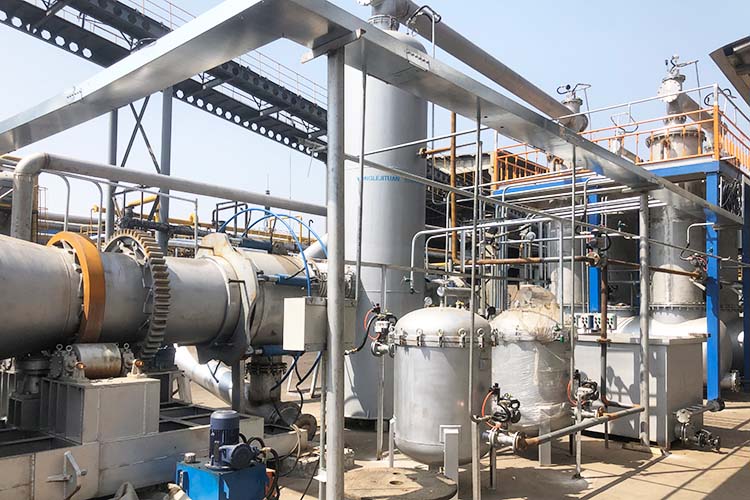
Supporting operation and maintenance plans are also an indispensable part of household waste treatment equipment projects. A complete O&M plan includes daily inspection points, wearing part replacement cycles, and troubleshooting guidelines, helping site managers become familiar with equipment management, promptly identifying abnormal operation, avoiding long equipment downtime, and ensuring uninterrupted solid waste treatment.
Many villages, towns, and industrial clusters prioritize distributed treatment models when building solid waste governance plans, and household waste treatment equipment is the core carrier of this model. Without large-scale centralized treatment stations, the equipment's on-site treatment capability allows waste generated in each area to be treated in zones, lowering the overall project construction investment threshold and fitting the dispersed characteristics of waste generation.
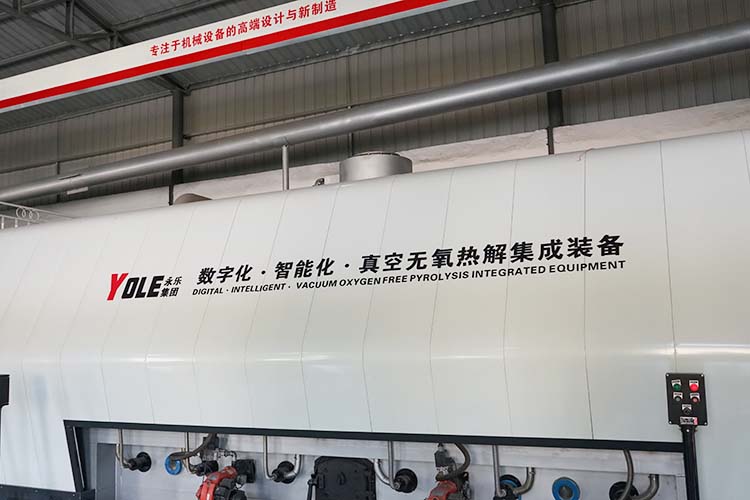
As environmental governance requirements continue to be refined, control over solid waste disposal is becoming more standardized across regions, and market demand for household waste treatment equipment is growing steadily. We will continue to follow project implementation in different regions, provide solid technical support and after-sales service, and rely on household waste treatment equipment to help partners build stable and sustainable solid waste treatment chains, supporting continuous improvement of the regional living environment.