Welcome to Yongle Group pyrolysis & refining equipment manufacturer. For product inquiries: nicole@yongleep.com


The regular replacement of transportation and logistics vehicles, engineering machinery and civilian vehicles keeps the generation of waste rubber tires growing steadily. Waste tires are a type of composite industrial solid waste with a stable physical structure and a long natural degradation period, which cannot be quickly consumed by the natural environment. Massive disordered piling of waste tires not only occupies land space; the piled materials, under rain erosion and long-term weathering, also cause continuous impacts on the surrounding soil and surface water. Volume reduction and harmless disposal of solid waste is the foundation of ecological governance everywhere, and centralized treatment of waste tires with professional equipment has become the mainstream disposal method in the industry. Henan Yongle Group focuses on the research, development and manufacturing of environmental solid waste treatment equipment. Combining industry technical standards and implementation conditions across regions, it has developed waste tire refining equipment suitable for various projects, providing technical and equipment support for the standardized governance of rubber solid waste.
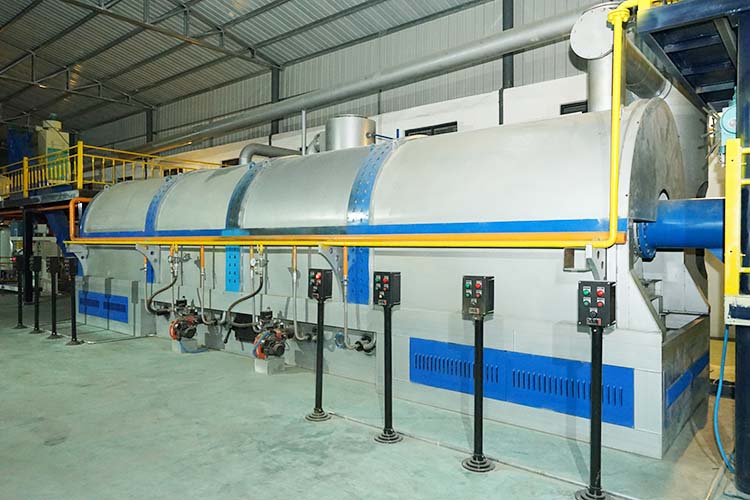
The waste tire refining equipment takes oxygen-free sealed pyrolysis technology as its core, and the entire operation system follows clean production design standards. The equipment completes the pyrolysis reaction of waste tires inside a completely sealed, oxygen-isolated chamber, precisely controlling the temperature to adjust the reaction rhythm and gradually separating the organic components, steel wire, fiber and other materials. Process by-products such as tail gas generated during operation are harmlessly treated by the equipment's supporting multi-stage purification system, and the emission data after treatment comply with regional environmental control regulations. The equipment adopts a fully enclosed body and pipeline design, suppressing dust diffusion and gas overflow at the source. No process wastewater is discharged throughout production, effectively avoiding secondary pollution and keeping the plant environment clean and compliant. The various materials treated by the equipment are clearly classified and stable in properties, and can be used as recycled raw materials in industrial processing, metal recovery and other fields, realizing the circular utilization of waste rubber resources.
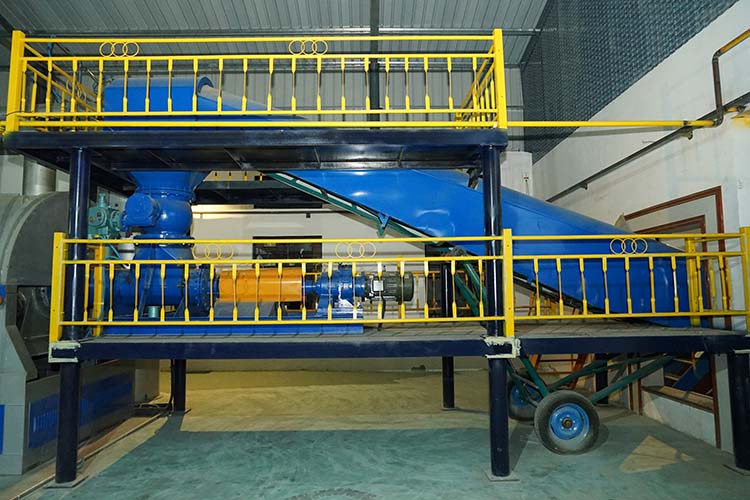
The complete equipment adopts a modular integrated design, with each functional system having a clear division of labor and coordinated operation. The preprocessing system mainly completes the crushing, screening and impurity removal of waste tires, unifying material sizes, removing sediment and impurities, and ensuring uniform and stable feeding; the pyrolysis reaction system maintains a constant-temperature sealed operating environment, completing the harmless conversion of materials and reducing the solid waste stock; the oil-gas separation system precisely classifies the mixed pyrolysis products and standardizes material collection and storage; the tail gas purification system treats exhaust gas through multi-layer filtration and adsorption processes, ensuring compliance throughout production; the intelligent control system collects equipment operating data in real time, helping workers adjust operating parameters, simplifying daily operation and maintenance processes, and meeting the needs of long-term continuous operation.
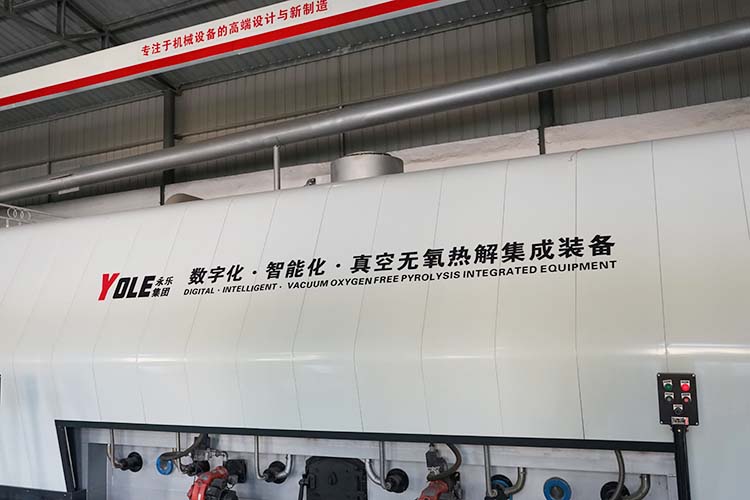
This equipment is widely applicable to renewable resource industrial parks, solid waste treatment stations, rubber recycling enterprises and other scenarios. Its normalized operation can effectively consume the regional stock of waste tires, relieving solid waste piling pressure and reducing ecological environmental hazards. At the same time, the implementation of the resource regeneration model further improves the rubber resource recycling chain, supporting the steady advancement of regional solid waste volume reduction and promoting the normalized development of the circular economy.