Welcome to Yongle Group pyrolysis & refining equipment manufacturer. For product inquiries: nicole@yongleep.com



As technical liaisons at Henan Yongle Group, we often share information about the inspection of plastic refining equipment during our discussions with customers. Consistent inspection work is the foundation for ensuring the smooth operation of plastic refining equipment. Plastic refining equipment is a complete set of continuously operating apparatus in which each unit is interlinked with the others; any abnormal detail in one place may affect the operating status of the entire plastic refining equipment. Therefore, a fixed inspection procedure needs to be established to check the condition of each part of the equipment at regular intervals.
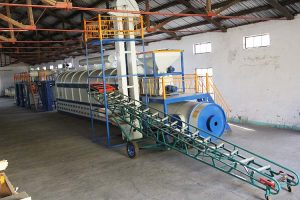
The first step in inspection work is to observe the external condition of the main furnace body of the plastic refining equipment. Inspectors need to check whether the outer insulation structure of the furnace body is intact and whether there are any areas on the surface with abnormal temperature rise, while also checking each connecting flange for signs of medium leakage. During inspection, do not focus on just one point; check along the entire equipment layout in sequence, including the furnace body, piping, and valves in the scope of inspection, and promptly record any changes that can be observed visually. Next, pay attention to the operating noise and vibration of the supporting auxiliary equipment. Plastic refining equipment is equipped with auxiliary components such as conveying, induced draft, and heat exchange units, and the sound during normal operation remains relatively steady. If abnormal noise or significant vibration occurs, it indicates that the matching state of the components has changed, and the issue should be marked and a shutdown arranged at an appropriate time for inspection. Auxiliary equipment and the main unit work together; unstable operating conditions of the auxiliary equipment can also indirectly cause fluctuations in the pyrolysis process of the plastic refining equipment.
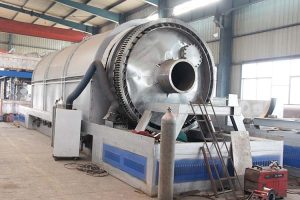
Checking instrument data is also an indispensable part of inspection. Inspectors need to compare the readings on the instrument panel against the normal operating condition range of the equipment and record parameters such as temperature and pressure. Plastic refining equipment relies on stable parameter ranges to complete material conversion; sustained data deviation indicates that the internal operating condition has changed, and a comprehensive judgment should be made based on multiple sets of data. Equipment settings must not be adjusted based on a single value alone. Inspection of the aging of pipelines and seals also requires attention. Plastic refining equipment operates over the long term in a certain temperature environment, and pipeline gaskets and sealing packing gradually wear with use over time. During inspection, pay attention to sealing locations; once slight signs of leakage are found, report them in advance and arrange to replace parts during a suitable window period, so as to prevent small problems from continuing to develop and forcing the entire plastic refining equipment to shut down.
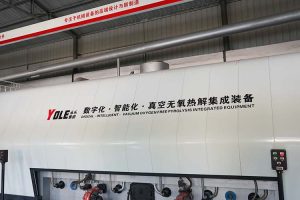
After completing a round of inspection, organize the inspection records and retain the findings by category. We recommend that customers assign dedicated personnel to be responsible for the inspection log, regularly summarize the recorded content, and identify patterns in the operating condition changes of the plastic refining equipment. Standardized inspection habits can extend the service life of plastic refining equipment, reduce the probability of unexpected shutdowns, and help users manage the entire apparatus with greater ease.