Welcome to Yongle Group pyrolysis & refining equipment manufacturer. For product inquiries: nicole@yongleep.com



During continuous operation, plastic refining equipment produces flue gas containing residual heat. A well-designed heat exchange structure can recover and reuse this heat, reducing the need for continuous external heat supply. The heat exchange module of plastic refining equipment is generally connected to the furnace body outlet, transferring the heat stored in the flue gas to water or a heat transfer medium through tube-wall heat exchange, thereby meeting the heating needs of the pretreatment section. The entire heat exchange unit adopts a modular assembly concept, making it easy to adjust the heat exchange area according to the processing capacity of the plastic refining equipment and adapt to different production conditions.
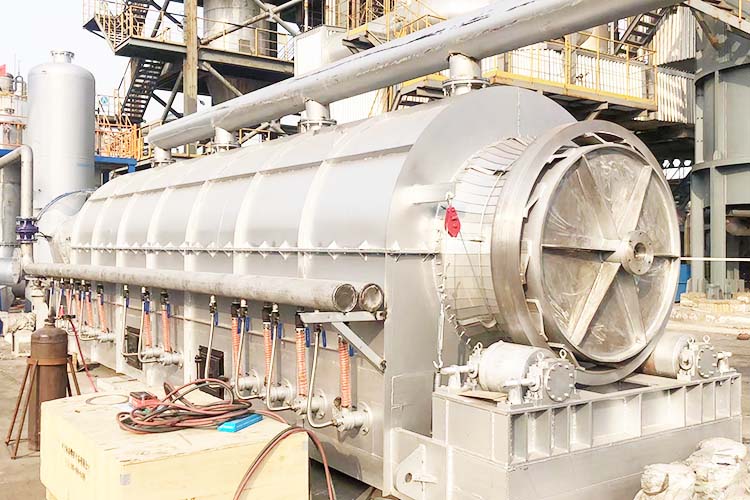
Material selection for heat exchange components must balance high-temperature resistance and corrosion resistance. When the plastic refining equipment operates, the flue gas contains a small amount of volatile impurities, and long-term erosion of the tube walls easily forms deposits; therefore, the heat exchange pipelines are provided with ash-cleaning inspection ports. Operators can clean dust and coke deposits on the tube walls during shutdown periods to maintain stable heat exchange efficiency. The heat exchange system supporting the plastic refining equipment does not change the original cracking process; it only performs secondary allocation of waste heat resources and serves as an auxiliary energy-saving supporting facility.
After heat recovery, the heat is mainly supplied to the raw material drying process. The recovered low-temperature heat source can reduce the moisture attached to raw materials, preventing materials containing water from entering the plastic refining equipment and causing furnace temperature fluctuations. If the moisture content of raw materials is too high, the heating cycle will be prolonged and the energy consumption burden increased; the heat exchange system precisely alleviates this problem. Under many operating conditions, the flue gas after heat exchange utilization is then sent to the subsequent purification unit for treatment, and the overall process is smoothly connected.
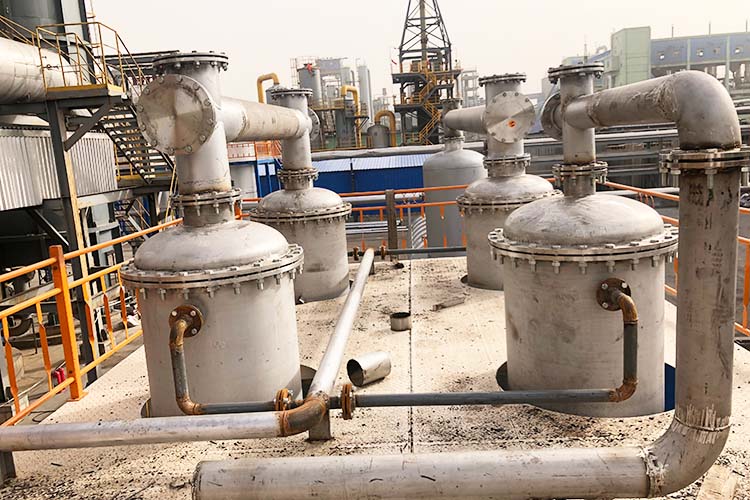
After the flue gas heat exchange stage, the flue gas enters the purification treatment section. This part is independent of the main furnace body of the plastic refining equipment, yet it is an indispensable part of the entire system. The purification unit follows a multi-stage treatment logic, sequentially removing particulate matter and harmful gaseous components so that the emitted flue gas meets the corresponding control standards. During the design stage of the plastic refining equipment, the flue gas purification plan is matched simultaneously to ensure compliant and stable operation of the entire unit.
In daily maintenance, the heat exchange system needs to be included in the regular inspection checklist of the plastic refining equipment. Inspection priorities include pipeline sealing points, temperature monitoring instruments, and ash-cleaning port sealing gaskets. Once sealing leakage or a significant drop in temperature difference is found, the cause must be promptly investigated to avoid waste heat loss or flue gas leakage. Standardized inspection habits can extend the service life of the heat exchange system of the plastic refining equipment and reduce the probability of sudden shutdowns.
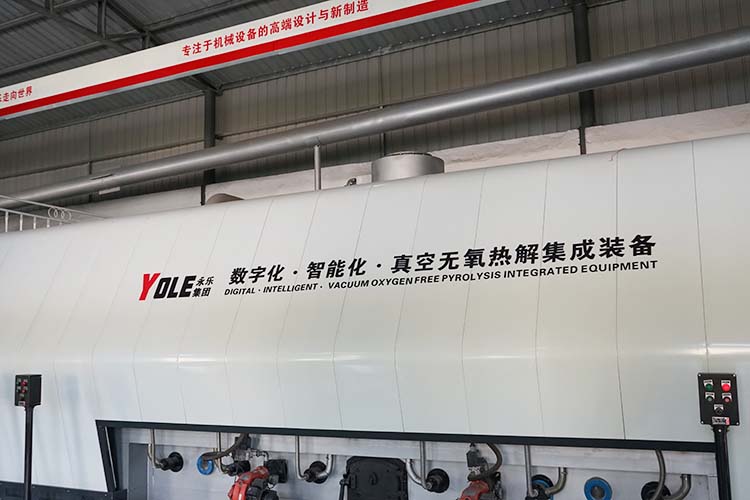
From a long-term use perspective, heat exchange systems are a design direction for plastic refining equipment to improve resource utilization. They do not change the cracking reaction logic of the plastic refining equipment itself, but tap into the waste heat resources that are easily overlooked in the production process. With stable operating parameters and standardized maintenance management, the heat exchange structure can continuously play its role, making the material and heat distribution of the entire plastic refining equipment more balanced and meeting the operational needs of long-term continuous production.