Welcome to Yongle Group pyrolysis & refining equipment manufacturer. For product inquiries: nicole@yongleep.com


As solid waste management work advances steadily, many regions have planned and deployed household waste treatment equipment based on local waste generation characteristics, adjusting the operation mode of waste collection and disposal. The household waste treatment equipment supports nearby disposal of collected waste, reducing various problems caused by centralized waste stockpiling. Management teams arrange the operation plans of the household waste treatment equipment reasonably according to the daily waste collection volume, ensuring that collected waste enters the disposal process in time. A reasonable layout of household waste treatment equipment can optimize existing removal routes, reduce the pressure of transfer work, and make the waste disposal process smoother.
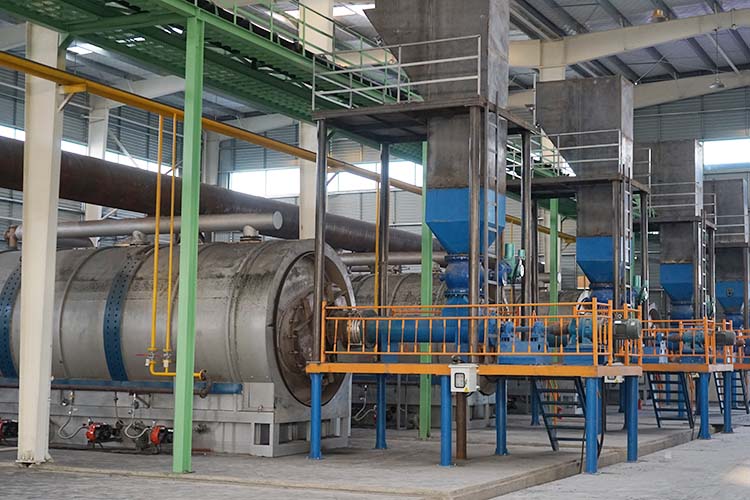
Household waste has diverse components, with different types mixed together, which brings many challenges to subsequent disposal. Relying on supporting processes, the household waste treatment equipment performs pretreatment and conversion of incoming materials, achieving waste volume reduction. After treatment by the household waste treatment equipment, the storage space occupied by materials is significantly reduced, facilitating subsequent transfer or resource recovery. O&M personnel regularly check the operating status of each module of the household waste treatment equipment, keep daily inspection records, and promptly detect abnormalities during operation to ensure stable work. Henan Yongle Group can provide corresponding technical support services to assist project implementation.
In many suburban areas, waste generation points are scattered. The traditional centralized transfer model takes a long time, and there is also the risk of leachate overflow during transport. After the household waste treatment equipment is deployed, distributed disposal points can be formed to receive waste collected from the surroundings. Waste does not need long-distance transfer and is fed directly into the household waste treatment equipment for disposal, reducing the environmental impact of the transfer process. On-site management personnel clean and maintain the household waste treatment equipment according to specifications, check wearing parts on schedule, and keep the equipment running stably.
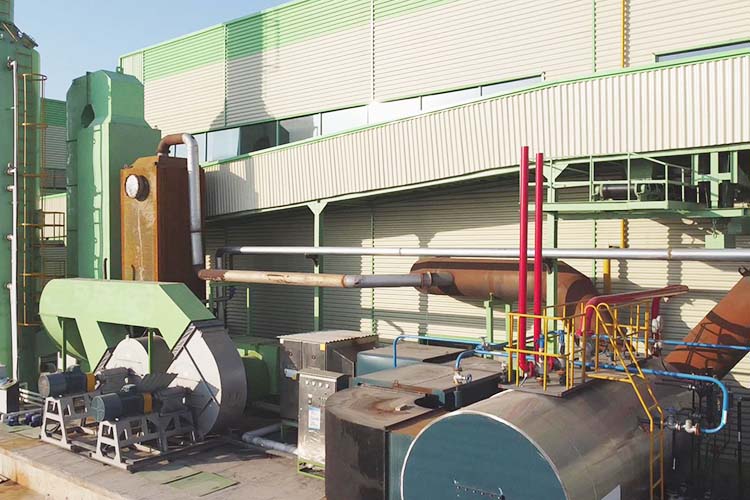
Environmental management work needs hardware facilities as support, and complete disposal facilities can continuously consolidate the results of environmental improvement. After the household waste treatment equipment is put into use, it fills the gaps in the regional solid waste disposal chain, forming an orderly working mode connecting collection and disposal. Management organizes operators to carry out practical training, familiarizing them with the basic operation procedures, inspection points and safety precautions of the household waste treatment equipment. Once operators are familiar with the process, they can complete basic work such as feeding and condition monitoring of the household waste treatment equipment in a standardized manner, ensuring the continuous development of daily disposal work.
Many cultural tourism areas and town commercial districts experience large fluctuations in visitor flow, and waste output varies significantly over time. The household waste treatment equipment can adapt to this fluctuating output rhythm and flexibly adjust its operating load. Managers incorporate the household waste treatment equipment into the area's environmental management plan, designate independent operation areas, and provide basic conditions such as anti-seepage and ventilation. Staff regularly summarize the operating data of the household waste treatment equipment and record the amount of waste treated, providing a reference for subsequent point adjustments and facility additions.
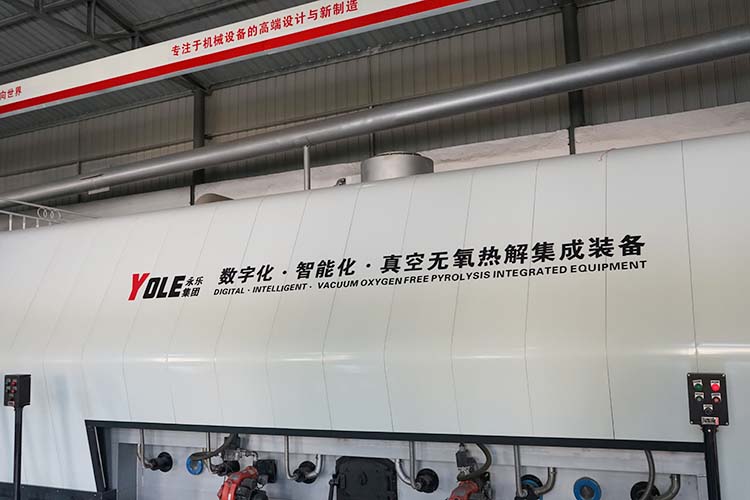
Solid waste management is a long-term task, and the household waste treatment equipment is an important part of this management system. Continuously making good use of the household waste treatment equipment, together with a normalized management system, can continuously improve the regional environment. Going forward, the supporting schemes of the household waste treatment equipment will be continuously adjusted based on actual operation feedback from each site, exploring disposal methods suited to local conditions, steadily advancing waste volume reduction and resource recovery, and continuously improving the living environment.