Welcome to Yongle Group pyrolysis & refining equipment manufacturer. For product inquiries: nicole@yongleep.com



The orderly advancement of urban and rural sanitation management relies on the rational allocation of manpower, transport capacity, sites and other resources. The traditional solid waste disposal model highly depends on transport vehicles, landfill sites and frontline cleaning staff, with resources concentrated in transfer, transportation and stockpiling, which can easily lead to resource surplus in some areas and shortages in remote areas. Optimizing the sanitation resource layout, reducing ineffective transport consumption, and activating grassroots disposal capacity are important directions for improving the efficiency of region-wide sanitation management. By deploying end-of-pipe disposal equipment and restructuring the waste disposal layout, the existing sanitation resource structure can be effectively optimized, achieving a balanced allocation of management resources. Relying on the anaerobic low-temperature continuous pyrolysis process, the household waste treatment equipment achieves nearby and on-site waste disposal, supporting the scientific and optimal allocation of urban and rural sanitation resources. Henan Yongle Group, focusing on the pain points of sanitation resource layout, optimizes the equipment's site adaptability, providing hardware support for the coordinated allocation of region-wide sanitation resources.
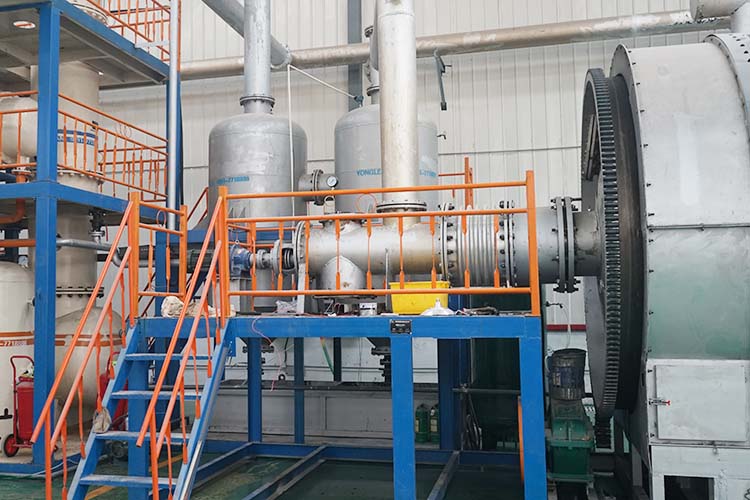
The distributed deployment model of the household waste treatment equipment changes the resource layout structure of traditional centralized transfer and disposal. It can be deployed at multiple points such as townships, communities, urban fringes and scenic areas to balance disposal capacity across the region. The equipment is equipped with an enclosed feeding system, an anaerobic pyrolysis reaction system, a product separation system, a tail gas purification system and an intelligent control system. A single station can independently complete harmless waste disposal without frequent reliance on centralized treatment at central stations, effectively diverting terminal disposal pressure and relieving the load on large landfills and incineration facilities.
The anaerobic low-temperature continuous pyrolysis process is suitable for the disposal of various mixed household waste. No complex pretreatment such as sorting or crushing is required, which greatly reduces the workload of frontline cleaning staff and the labor input for manual sorting and material organizing, allowing frontline sanitation resources to focus more on refined management work such as public area cleaning and environmental inspection, optimizing the utilization structure of human resources.
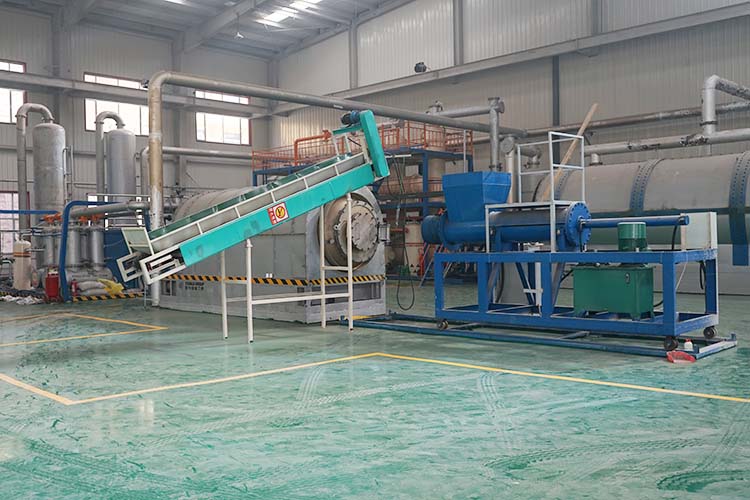
The distributed on-site disposal model greatly shortens the waste transport radius, reduces long-distance round trips of sanitation vehicles, and cuts vehicle fuel consumption, maintenance losses and transport capacity input. Sanitation transport resources can be concentrated on cleaning key areas and peak periods, avoiding waste of transport capacity and uneven resource allocation, and improving the utilization efficiency of transport resources.
The equipment's stable resource recycling system further revitalizes sanitation operation resources. The self-sustaining heating mode reduces equipment energy consumption, and the on-site utilization of recycled products reduces material procurement and waste disposal expenses, effectively saving sanitation operation funds, allowing limited management resources to deliver environmental improvement results, and supporting the efficient and orderly development of sanitation work.
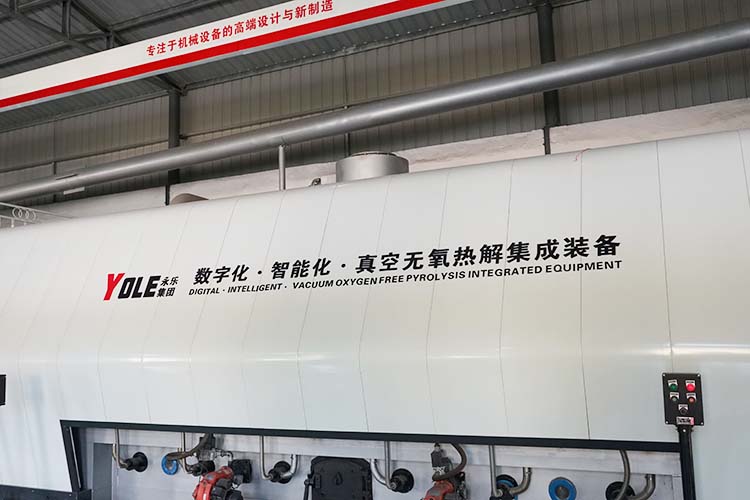
The optimal allocation of sanitation resources is an important guarantee for long-term urban and rural environmental management. Henan Yongle Group continuously optimizes the distributed disposal capacity of the household waste treatment equipment to meet the needs of multi-point region-wide deployment, helping local authorities coordinate sanitation manpower, transport capacity and site resources, and build a modern sanitation system with balanced layout, efficient resources and stable management.