Welcome to Yongle Group pyrolysis & refining equipment manufacturer. For product inquiries: nicole@yongleep.com


Ecological rivers and waterways are important components of the urban and rural ecological system. Green belts along rivers, waterfront walkways and riverside villages generate a certain volume of household waste daily, mostly light floating debris, packaging waste, withered branches and leaves, and leisure waste. The environment along waterways is special: waste scatters at many points and cleaning near water is difficult; if not disposed of in time, problems such as waste entering rivers, accumulation along banks and disturbed water quality may arise, damaging the ecological appearance of the water system. Traditional long-distance transfer modes respond slowly and can hardly meet the refined management needs of waterfront areas. Building a waste management system featuring nearby disposal, rapid consumption and low disturbance is an important measure to maintain the river ecological environment. Household waste treatment equipment, based on the anaerobic low-temperature continuous pyrolysis process, fits waterway treatment scenarios and supports the regular management of the environment around rivers. Henan Yongle Group optimizes the closed-loop operation and low-pollution features of the equipment in line with waterfront environmental standards, providing equipment support for water system ecological management.
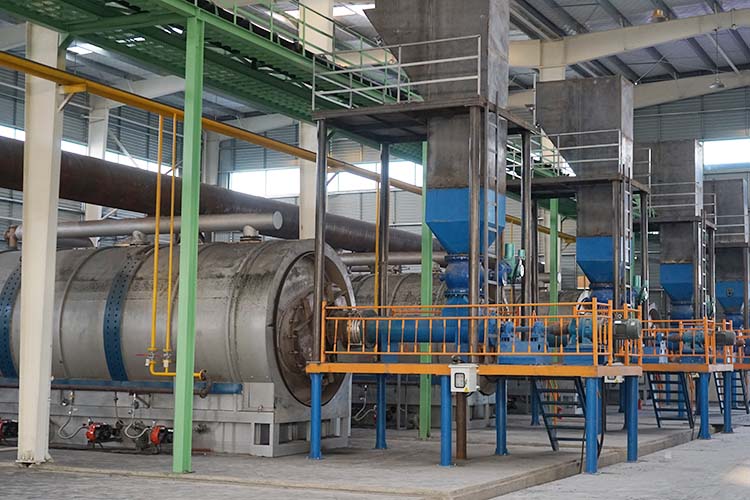
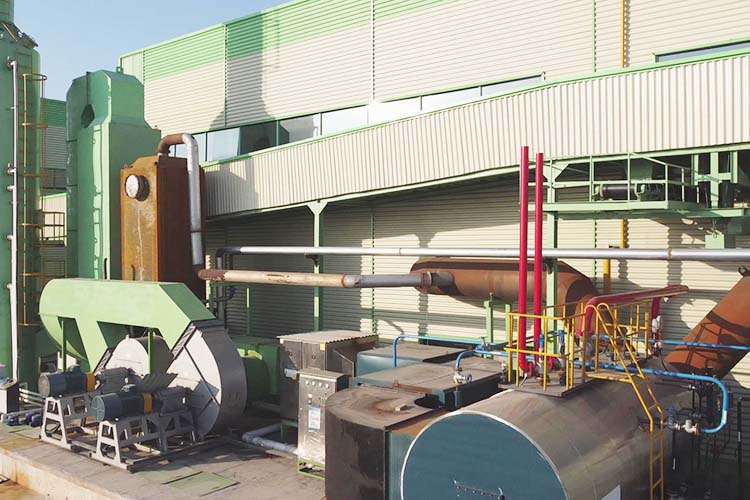
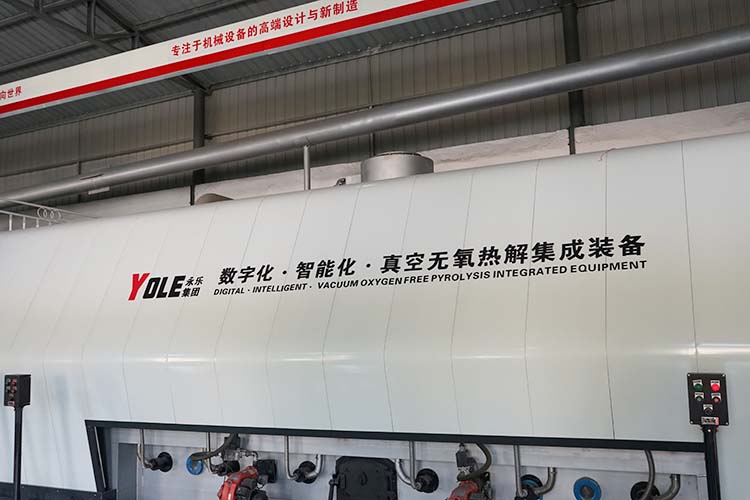
Household waste treatment equipment features a compact footprint and flexible deployment. It can be placed at river management stations or riverside sanitation facilities without occupying waterfront landscape space, meeting the lightweight treatment needs of ecological rivers. The equipment is equipped with a sealed feeding system, an anaerobic pyrolysis reaction system, a product separation system, a tail gas purification system and an intelligent control system, operating in a fully closed loop. The sealed storage structure can centrally handle waste cleaned along the banks, preventing open-air piling and rainwater washing or leakage, and protecting the clean environment along the river from the source.
The anaerobic low-temperature continuous pyrolysis process operates under mild conditions, fully sealed with no open flame and no smoke or dust diffusion, causing no secondary impact on river air, vegetation and water bodies. For mixed waste generated by river cleaning, the equipment can complete harmless disposal directly without fine manual sorting, effectively reducing the difficulty of sanitation cleaning and disposal in waterfront areas and solving the pain points of difficult and slow bank waste cleaning.
The on-site disposal mode greatly reduces the frequency of waste transfer along rivers, avoiding road pollution and waste spillage caused by transfer vehicles passing along the banks, and protecting the overall appearance of the waterfront landscape belt. After pyrolysis, the waste is deeply reduced in volume with no large residue accumulation, effectively reducing the stock of solid waste along the banks and eliminating ecological risks caused by long-term waste retention.
The resource recycling model fits the green governance concept of ecological rivers. Clean gas generated by pyrolysis can be used for the equipment's self-sustaining heating, reducing energy consumption; the harmless solid carbon residue can be used for soil improvement of riverside green vegetation and slope covering maintenance, achieving localized ecological use of treatment products.
Careful and long-term management is essential for water ecological environment maintenance. Henan Yongle Group continuously optimizes the ecological scenario adaptability of its household waste treatment equipment and stabilizes closed-loop disposal conditions, helping regions improve solid waste management systems along rivers, regularly maintain the ecological appearance of waterfront areas, and consolidate the achievements of urban and rural water system ecological governance.