Welcome to Yongle Group pyrolysis & refining equipment manufacturer. For product inquiries: nicole@yongleep.com



Waste tires are typical polymer organic solid waste. Long-term open-air piling not only occupies land space but also breeds mosquitoes and insects, with the risk of spontaneous combustion. As one of the current paths for solid waste resource recovery, pyrolysis technology has been widely applied in the field of waste tire disposal. The complete process completes material conversion in a sealed environment, minimizing direct contact between materials and the external environment, which is a prominent feature of this process. Henan Yongle Group fully considers the conditions of different project sites in equipment scheme design, adapting to solid waste treatment needs of different scales.
On-site operation and maintenance is the key link in ensuring the long-term stable operation of the pyrolysis production line. Before the project is put into operation, operators need to be organized to become familiar with the complete equipment structure and master basic inspection procedures. Daily inspections should focus on the sealing status of the furnace body, pipeline connection points, and data changes of various monitoring instruments. Once parameter fluctuations are found, staff need to promptly investigate the causes and adjust working conditions, preventing small problems from accumulating and affecting the continuous operation of the whole system.
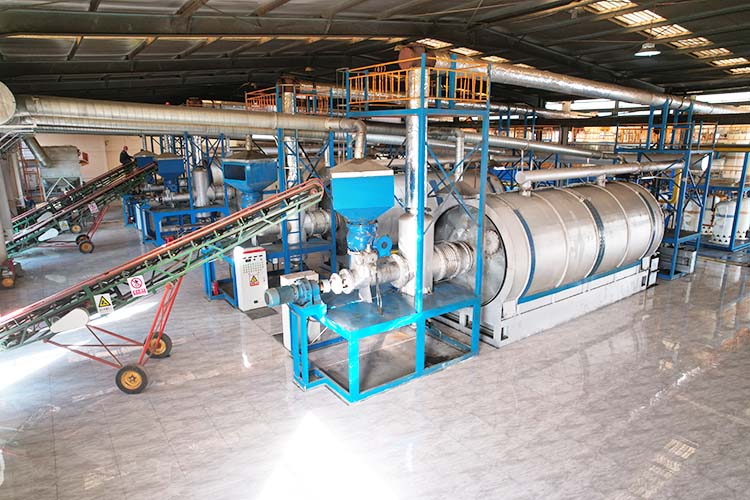
Feed control is equally important. Waste tires fed into the pyrolysis furnace need pretreatment in advance to remove large impurities and control feed size. Irregular large materials prolong the pyrolysis reaction time and cause uneven heating in the furnace. Standardized pretreatment allows materials to be heated more evenly, maintains stable reaction conditions, reduces wear on internal furnace components, and extends the service life of the equipment.
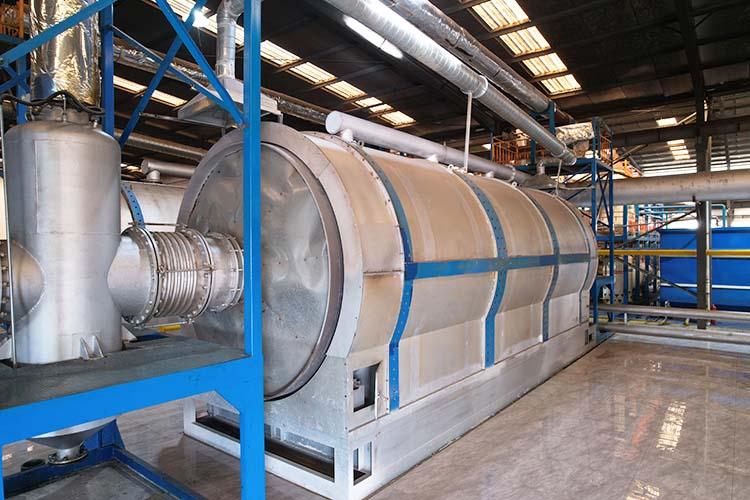
The flue gas purification unit supporting the pyrolysis system requires regular maintenance. Filter materials and adsorption components inside the purification device gradually reach saturation after continuous operation and need to be checked and replaced periodically. If the purification components are not maintained in time, the tail gas treatment effect will be affected and the relevant emission management requirements cannot be continuously met. O&M personnel should establish ledgers to record the time and operating conditions of each inspection and replacement.
The management of product collection areas should also follow on-site safety management standards. Cracking oil, carbon black, steel wire and other products are output separately in different collection units, and each area should be stored by zone. Stacking different products separately facilitates subsequent transfer and comprehensive utilization. At the same time, ensure proper ventilation in each area and standardize material transfer procedures to avoid various safety hazards during on-site operations.
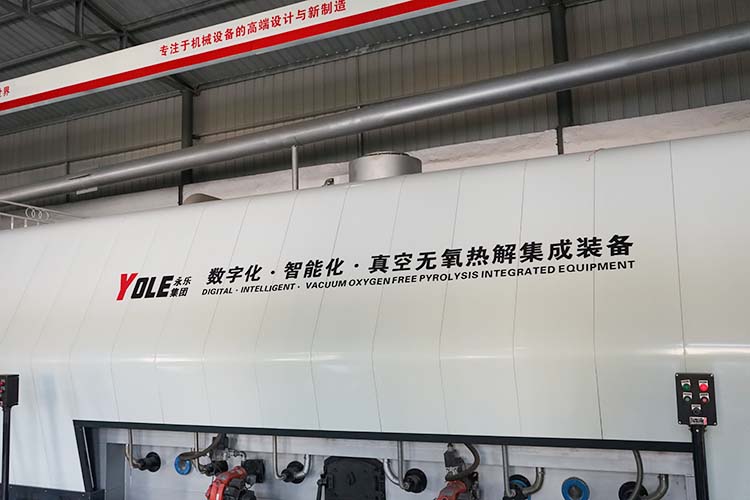
Overall, waste tire pyrolysis projects rely not only on equipment hardware; refined operation and maintenance are equally important. Standardized operating procedures, regular equipment inspection, and complete on-site management systems must work together to continuously leverage the role of the pyrolysis process in solid waste resource recovery, and to steadily advance the harmless treatment and resource regeneration of waste tires under compliance premises.