Welcome to Yongle Group pyrolysis & refining equipment manufacturer. For product inquiries: nicole@yongleep.com


Public health environmental protection is an important part of the urban and rural public service system. Normalized standardized waste disposal and environmental sanitation improvement can effectively reduce public health hazards and build a solid line of defense for people's health. In scenarios such as concentrated personnel activities, large public events, and seasonal environmental changes, household waste output fluctuates, waste composition becomes more complex, and health risks from waste retention rise accordingly. The traditional fixed collection and transport model lacks flexibility, is difficult to fully adapt to dynamic public health protection needs, and has problems such as delayed disposal and lingering hazards. Improving a flexible, normalized, and emergency-ready end-of-pipe waste disposal system is the key to enhancing public health protection capacity. Household waste treatment equipment, relying on an oxygen-free low-temperature continuous pyrolysis process, operates stably and responds flexibly, adapting to both normal and emergency scenarios, and supports the building of urban and rural public health emergency response systems. Henan Yongle Group has optimized the equipment's continuous operation and dynamic adaptation capabilities based on public environmental protection standards, providing hardware support for regional public health environmental management.
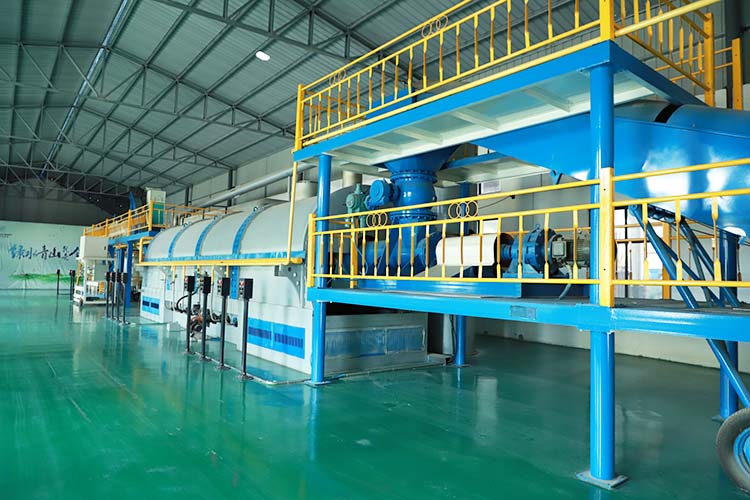
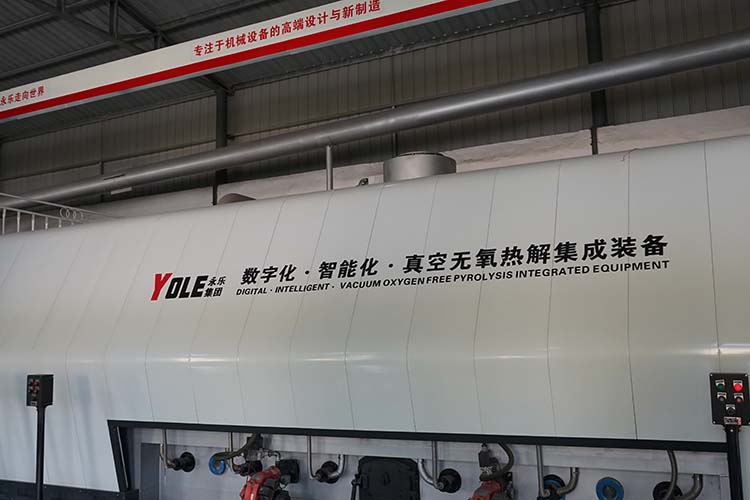
Household waste treatment equipment features normalized operation with start-stop capability at any time, adapting to the dynamic needs of public health protection. It can be deployed in public service areas and township core management zones as regional solid waste disposal support points. The equipment is fitted with a sealed feeding system, an oxygen-free pyrolysis reaction system, a product separation system, a tail gas purification system, and an intelligent control system, operating in a closed-loop standardized manner throughout, with the whole process from waste storage to disposal and purification under control, avoiding health hazards caused by exposed and piled waste.
The oxygen-free low-temperature continuous pyrolysis process runs smoothly and adapts to the disposal of various mixed household wastes. Without fine sorting pretreatment, it can quickly complete batch waste consumption, matching the disposal needs of short-term waste increases in public scenarios. The entire operation involves no open flame, no disorderly exhaust gas diffusion, and no exposed materials, causing no secondary disturbance to the public living environment and meeting public health safety control standards.
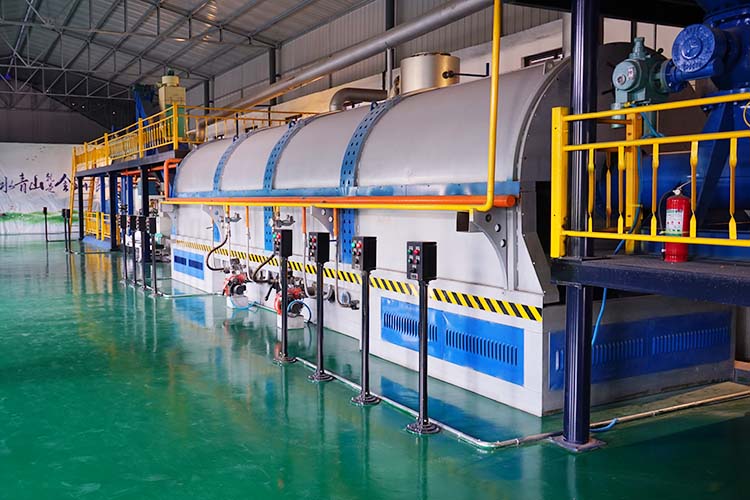
In normalized management, the equipment enables daily clearing and on-site disposal of regional waste, shortening waste retention time and reducing mosquito and fly breeding, decay odors, and bacterial growth from the source, continuously maintaining a clean and tidy environment in public areas. In emergency response scenarios, the equipment can operate continuously at full capacity, quickly digesting accumulated waste and keeping the public environment clean and orderly.
The equipment's closed-loop disposal model has no leachate leakage or random residue discharge, avoiding secondary pollution of water, soil, and the environment throughout, and steadily safeguarding public health and environmental safety. At the same time, its self-sustaining heating and resource recycling system reduce operating energy consumption, allowing normalized public health management to balance standardization and economy.
Public health environmental protection lies in constant vigilance and controllable emergency response. Henan Yongle Group continuously optimizes the multi-scenario adaptability of its household waste treatment equipment, stabilizes the equipment's environmental operating conditions, and supports all localities in improving their public health environmental protection systems, continuously consolidating the foundation of urban and rural public environmental safety.