Welcome to Yongle Group pyrolysis & refining equipment manufacturer. For product inquiries: nicole@yongleep.com



In the plastic pyrolysis production system, the cooling system is the core supporting unit for oil-gas liquefaction and recovery, and the suitability of the cooling water quality affects the scaling rate of heat exchange pipelines and the operating status of the system. Many plants have limited water intake conditions, and the water contains trace impurities and minerals, which can easily cause pipeline scaling and reduced heat exchange efficiency. Optimizing the equipment's adaptability to the on-site water environment can effectively reduce later maintenance pressure. Henan Yongle Group has optimized the cooling system structure of its plastic refining equipment based on the water supply conditions of plants in various regions, improving the equipment's adaptability to ordinary water quality and minimizing the impact of water quality on production.
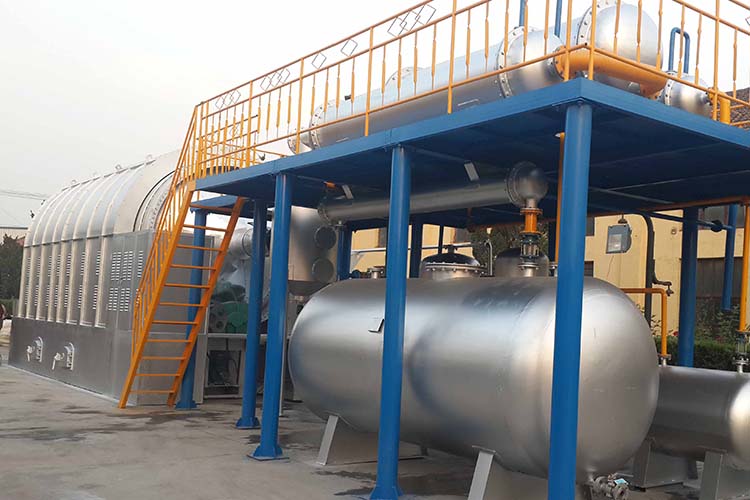
The cooling system of the plastic refining equipment is fitted with a front-end filtration structure that performs basic purification of circulating water, intercepting sediment, suspended impurities and other particulates in the water and reducing impurities entering the heat exchange pipelines. This lowers the probability of pipeline blockage and silting at the source and keeps the cooling water circulation channel unobstructed.
The heat exchange pipelines of the equipment adopt anti-scaling materials and a smooth inner wall design. As water flows through, mineral adhesion becomes more difficult, delaying the accumulation of scale on the pipe walls and maintaining long-term stable heat exchange performance, thus avoiding problems such as insufficient cooling and inadequate oil-gas liquefaction caused by scaling.
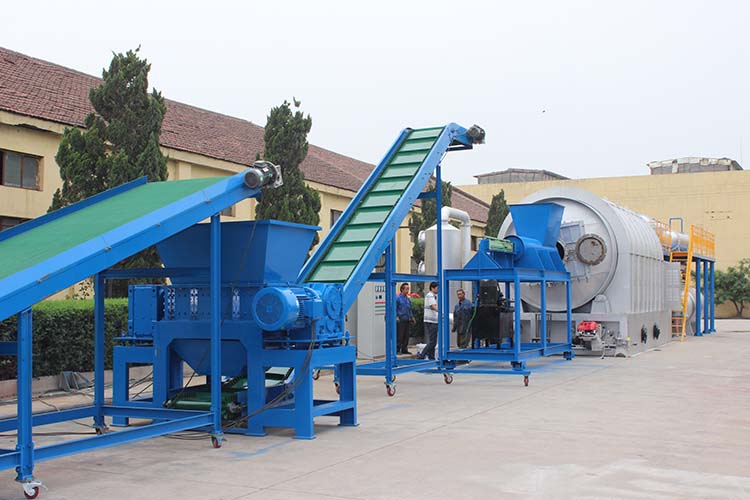
The system comes with drainage and self-cleaning interfaces, allowing regular pipeline drainage and inner wall cleaning without dismantling the entire cooling equipment, making the cleaning process simple and convenient. It adapts to the conventional water quality conditions of the plant, without relying on high-purity water, reducing production water costs.
Stable cooling conditions ensure consistent condensation performance across different seasons and water temperature environments, keeping oil-gas liquefaction uniform and the oil recovery process stable. Production will not fluctuate due to water quality differences or water temperature changes, ensuring the orderly progress of daily production.
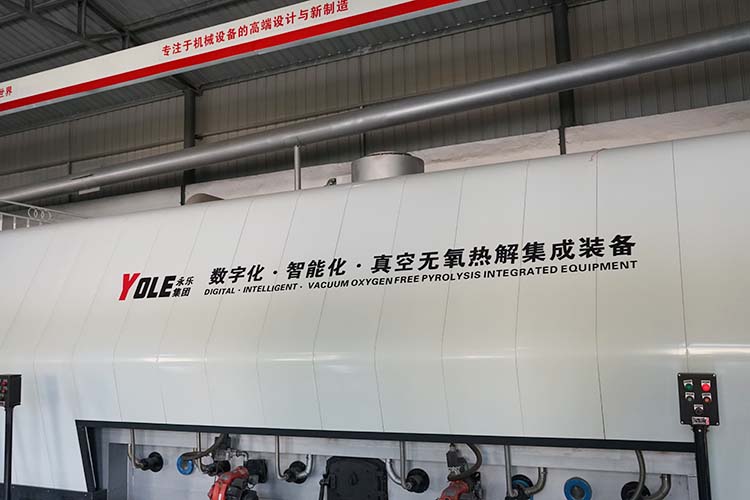
The adaptive design that fits the on-site water environment further improves the environmental adaptability of the plastic refining equipment, effectively reducing the maintenance frequency and operating costs of the cooling system and providing convenient conditions for the stable operation of waste plastic resource recovery projects.