Welcome to Yongle Group pyrolysis & refining equipment manufacturer. For product inquiries: nicole@yongleep.com



After extreme weather such as heavy rainfall and strong winds, urban and rural areas generate large amounts of non-routine household waste and debris, including damaged items, withered branches and leaves, moisture-damaged waste, and scattered construction waste mixed with household garbage. This kind of waste accumulates quickly, in concentrated volumes and with high moisture content, which ordinary collection and transportation modes struggle to absorb quickly; prolonged retention causes road blockage, waterlogging, mosquito breeding, and other problems, hindering post-disaster environmental recovery. Traditional centralized disposal modes involve complicated transfer procedures and limited response speed, unable to match the pace of emergency post-disaster waste clearance. Building a rapid, on-site, closed-loop, and standardized waste disposal system is a key link in post-disaster environmental remediation and the restoration of living environments. Household waste treatment equipment, based on the anaerobic low-temperature continuous pyrolysis process, adapts to high-humidity, mixed, large-volume post-disaster waste disposal conditions, providing equipment support for post-disaster environmental cleanup. Henan Yongle Group optimizes the equipment's capacity for handling complex materials and its continuous operation performance based on the characteristics of post-disaster waste clearance, helping restore the regional environment quickly.
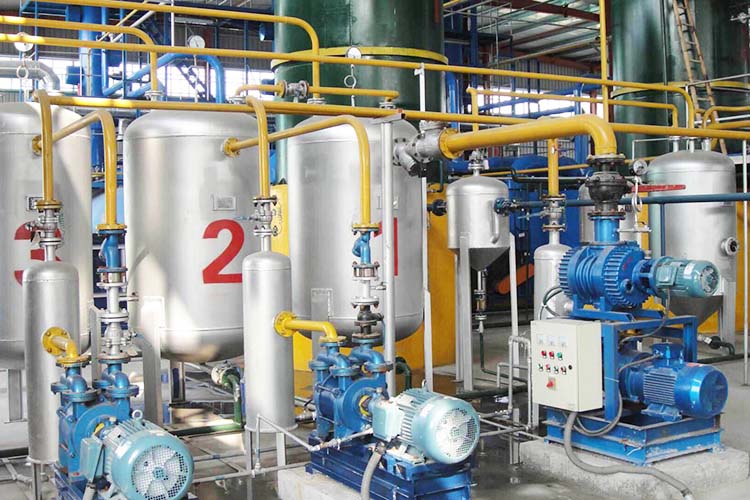
Household waste treatment equipment features flexible deployment and rapid commissioning. It can be quickly set up at temporary post-disaster sanitation sites and put into environmental remediation work in time, free from the scheduling constraints of fixed stations. The equipment is equipped with a sealed feeding system, an anaerobic pyrolysis reaction system, a product separation system, a tail gas purification system, and an intelligent control system, capable of processing various mixed post-disaster waste in one go, quickly digesting accumulated waste and accelerating the pace of regional environmental restoration.
The anaerobic low-temperature continuous pyrolysis process is highly tolerant of materials. For damp, mixed post-disaster waste with many impurities, no complicated pretreatment such as drying or fine sorting is required—waste can be fed directly for disposal, meeting the operational needs of rapid post-disaster clearance. The equipment operates fully sealed and oxygen-free with mild and stable conditions, no open flame, and no disorderly smoke and dust emissions, causing no secondary impact on the surrounding living environment during concentrated clearance operations.
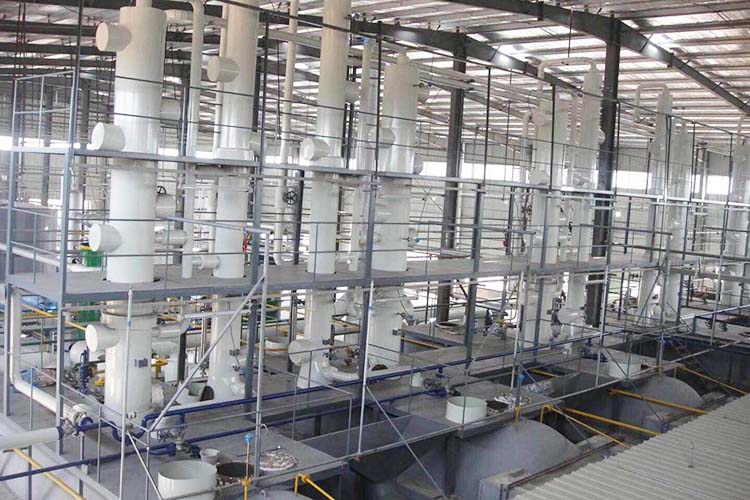
Post-disaster waste has high water content and is prone to decay, and traditional stockpiling disposal easily breeds sanitary hazards. The equipment's immediate disposal mode allows waste to be processed as soon as it is cleared, eliminating problems such as waste retention and decay, odor spread, and germ growth after disasters, removing post-disaster public health hazards at the source and safeguarding regional environmental hygiene and safety.
The on-site centralized disposal mode greatly reduces the pressure of transporting post-disaster waste outward, avoiding road congestion, transfer delays, and spillage along the way caused by large-scale centralized waste transfer, and effectively improving post-disaster clearance efficiency. After deep volume reduction through pyrolysis, the solid waste stock is substantially reduced, easing the pressure of post-disaster environmental rectification and subsequent maintenance.
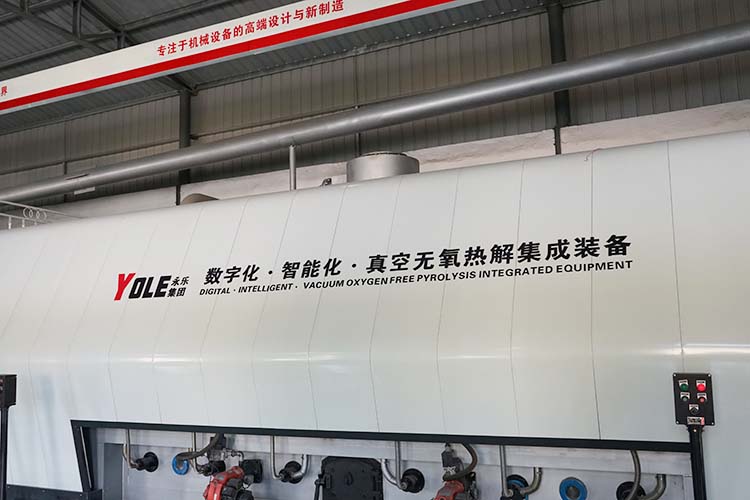
Post-disaster environmental remediation focuses on rapid clearance and thorough rectification. Henan Yongle Group continuously optimizes the complex-condition adaptability and emergency operation performance of household waste treatment equipment to meet the needs of various emergency environmental clearance tasks, helping all regions efficiently complete post-disaster waste cleanup and quickly restore a clean and livable urban-rural ecological environment.