Welcome to Yongle Group pyrolysis & refining equipment manufacturer. For product inquiries: nicole@yongleep.com


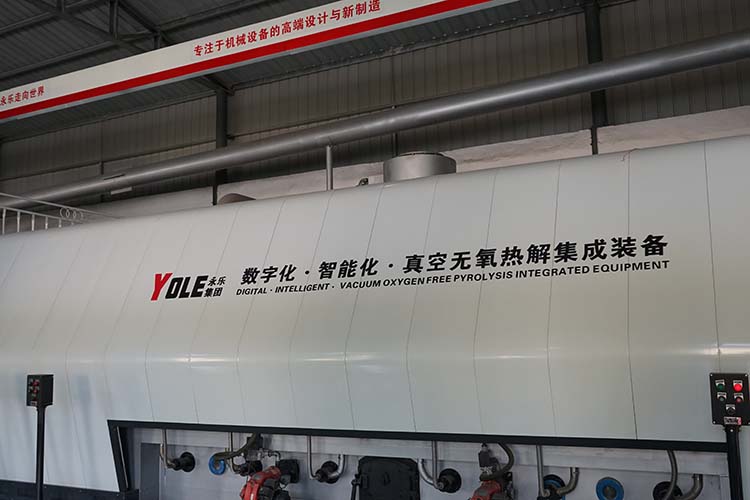
In building the county-level environmental governance system, organic waste treatment has always been work requiring continuous advancement. Townships under a county are scattered and waste collection radii are large; traditional centralized treatment often requires long-distance transfer, and leakage and odor problems easily occur during transport, increasing the overall operating cost of the project. In view of the scattered distribution of solid waste across counties, Henan Yongle Group, drawing on years of equipment R&D practice, has developed a complete set of organic solid waste pyrolysis equipment suitable for county-level stations, providing hardware support for county-level distributed solid waste disposal projects.
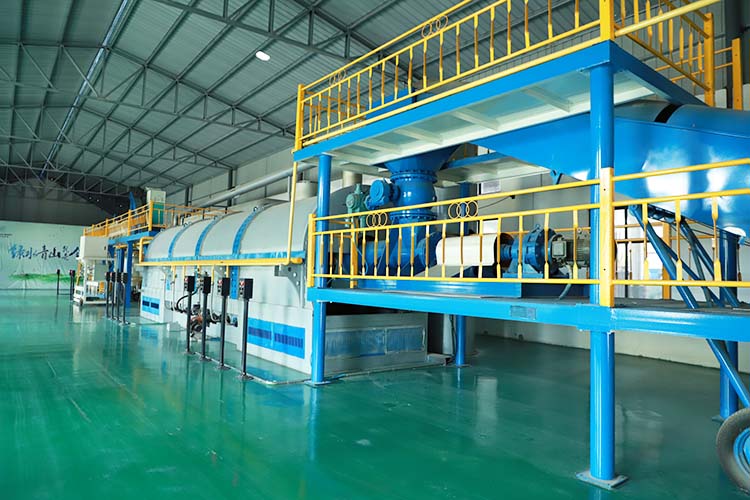
The complete equipment adopts a sealed operation process: material feeding, pyrolysis reaction and residue discharge are all completed in an enclosed space, reducing direct contact between waste and the external environment. Relying on the anaerobic pyrolysis process, the equipment decomposes and treats various organic materials, and can adapt to raw materials such as township household waste, garden dead branches and crop straw. The system is equipped with a flue gas purification unit to treat the gas generated during pyrolysis, with all emission indicators implemented in accordance with current environmental management regulations.
Waste output varies significantly among counties. The equipment supports multi-level condition adjustment, and the operating rhythm can be adjusted according to the actual incoming material volume of the station. For townships with small populations, there is no need to build large treatment plants; a small station equipped with this equipment can undertake the organic solid waste treatment tasks within its jurisdiction. The modular unit structure lowers the civil construction threshold of the project, and the simple on-site assembly process shortens the project construction period, facilitating the layout of small treatment stations at multiple county locations.
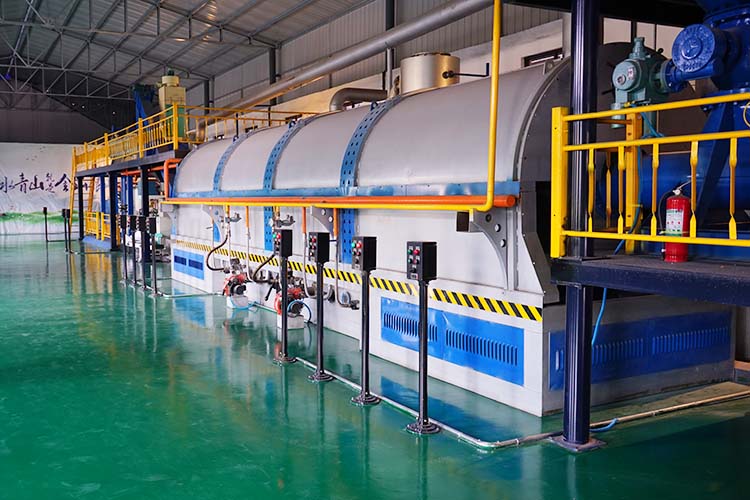
In terms of operation and maintenance design, the system is equipped with a basic operation monitoring module, allowing workers to view key operating parameters such as temperature and pressure in real time. Sufficient maintenance space is reserved inside the equipment to facilitate later inspection and replacement of parts, reducing the probability of long downtime. After standardized training, operators can complete basic work such as daily start-stop and inspection, reducing the long-term labor input pressure of the project.
After the station is built and operational, organic waste can be treated locally in the township, greatly reducing the waste transport distance. Through pyrolysis treatment, the waste volume is reduced, achieving the goal of solid waste volume reduction and easing the load on regional end-point waste treatment facilities. During the pilot project operation, phenomena such as random waste piling and odor along the way have been alleviated, producing a positive effect on the surrounding living environment.
County-level solid waste governance is continuous work, and the iterative optimization of equipment technology can continuously improve grassroots environmental governance capabilities. Henan Yongle Group continuously collects project operation feedback from various regions, constantly optimizing the equipment structure and operating logic to improve the equipment's adaptability to materials in different regions. This type of pyrolysis equipment will continue to participate in county-level living environment improvement projects, supporting the steady advancement of county-level ecological environment governance.