Welcome to Yongle Group pyrolysis & refining equipment manufacturer. For product inquiries: nicole@yongleep.com



In the research, development and manufacturing of solid waste resource recovery equipment, Henan Yongle Group has developed plastic refining equipment for waste plastic disposal scenarios. The complete plastic refining equipment production line consists of multiple functional units, and raw material preprocessing is a key step at the front end of the operation process. The operating condition of the preprocessing unit directly affects the stability of the subsequent pyrolysis process of the plastic refining equipment. Before being put into use, the plastic refining equipment requires preprocessing operations such as crushing and impurity removal according to the raw material conditions, so as to match the subsequent pyrolysis reaction conditions.
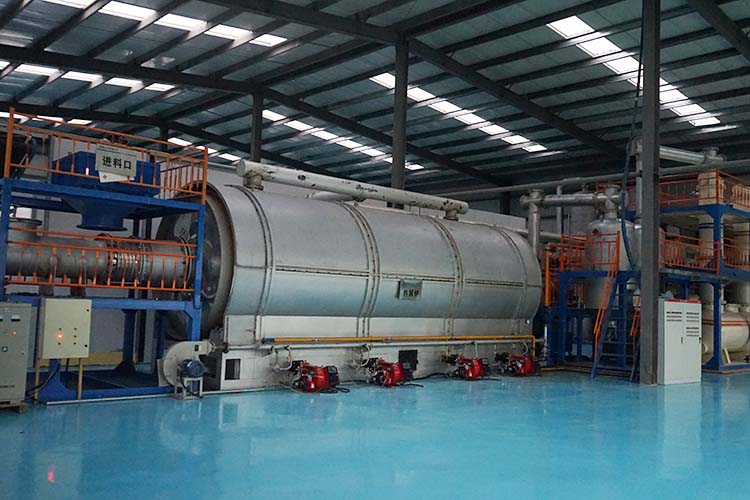
Waste plastics come from scattered sources and vary greatly in form, including films, plastic containers, block plastics and other shapes, and the materials may be mixed with sand, gravel, metal and other impurities. If fed directly into the furnace body, large pieces of material will block the feeding channel, and hard impurities will also cause wear to the internal components of the furnace. To address these on-site problems, the supporting preprocessing unit integrates crushing, screening and impurity removal functions, cutting large plastics into small pieces of similar specifications and removing the hard impurities mixed in the material, reducing the probability of impurities entering the main furnace of the plastic refining equipment.
The preprocessing unit is linked with the feed inlet of the plastic refining equipment, and the processed material can be conveyed into the pyrolysis furnace at a uniform speed. Stable and uniform feeding reduces uneven material accumulation in the furnace, facilitates heat transfer inside the furnace, and alleviates local coking problems. Operators can adjust the crushing speed and screening specifications according to the plastic type and material size, adapting to the condition of different incoming batches and reducing the impact of feed fluctuations on the entire production line.
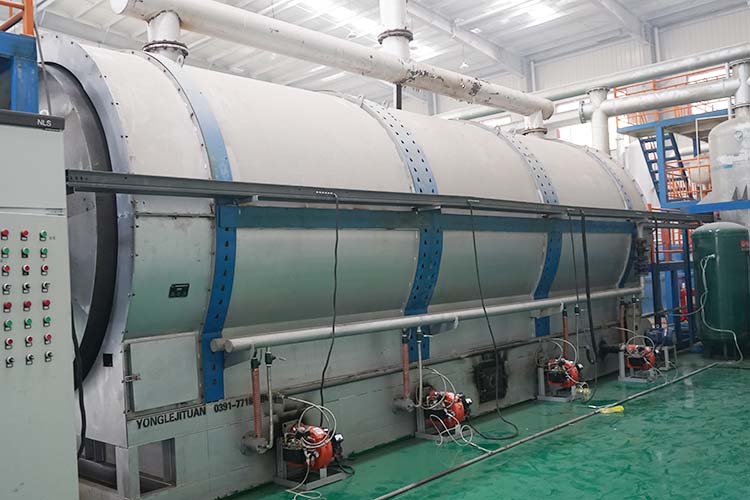
The structural design of the preprocessing unit fully considers on-site operation and maintenance needs. The equipment is provided with inspection openings, making it convenient for workers to regularly clean the plastic debris attached to the screen and check tool wear. The main body of the unit is made of wear-resistant plates and maintains structural stability even when processing hard impurities for a long time, with simple disassembly and maintenance steps. The preprocessing system can be matched with plastic refining equipment of different specifications according to the project processing scale, from small batch-type units to medium-sized continuous production lines.
After preprocessing, the waste plastic has more stable moisture content and uniform particle size. After entering the pyrolysis furnace of the plastic refining equipment, the heating reaction proceeds more smoothly. This reduces the temperature rise differences caused by uneven material size, lowers fluctuations in furnace conditions and common faults such as pipeline blockage, and extends the continuous operation time of the entire plastic refining equipment. At the project site, the preprocessing process occupies little space, and the layout can be flexibly arranged according to plant planning.
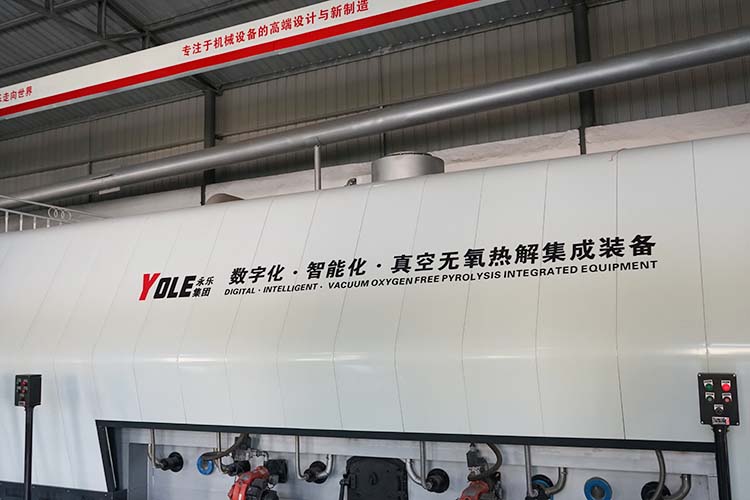
Waste plastic resource recovery is systematic work. Attention should not be paid only to the pyrolysis conversion stage; front-end raw material treatment is equally important. The preprocessing system supporting Henan Yongle Group's plastic refining equipment fills the front-end gap of the production line. Through a standardized raw material treatment process, it reduces the impact of feed fluctuations on production, adapts to the on-site implementation of various waste plastic resource recovery projects, and supports the orderly advancement of harmless and resource-based disposal of waste plastics.